
Road Transport (Amendment) Bill 2026: What It Means for Lorry Operators in Malaysia
Key takeaways: The Road Transport (Amendment) Bill 2026 raises compliance pressure on Malaysia’s lorry operators through tougher JPJ enforcement, digital document recognition, action against tonto activity, and stronger focus on overloaded or non-compliant vehicles. The RM500 selected compound limit starts on 1 January 2029, while consignee liability and overloading-based penalties should only be stated as confirmed once gazetted.
Note: This article is for general fleet-compliance information only and is not legal advice. Operators should verify the final gazetted Act, commencement dates, and JPJ/MOT enforcement guidance before changing contracts or operating procedures
Based on the New Straits Times, Malaysia recorded 6,537 road deaths in 2025, prompting the government to respond with sweeping legal reforms. The Road Transport (Amendment) Bill 2026 reached the Dewan Rakyat in June 2026 and was passed by a voice vote, adding 41 amendments to the Road Transport Act 1987. For fleet operators, these rules reshape the handling of loads, licences, and summonses. It is essential to have a clear understanding of the road transport act amendment Malaysia has enacted.
What Is The Road Transport (Amendment) Bill 2026?
The Road Transport (Amendment) Bill 2026 is a bill to amend the Road Transport Act 1987 (Act 333). It was tabled by the Ministry of Transport and passed by the Dewan Rakyat in June 2026. The Bill aims to strengthen road safety, enforcement powers, digital JPJ services, and penalties for specific road offences.
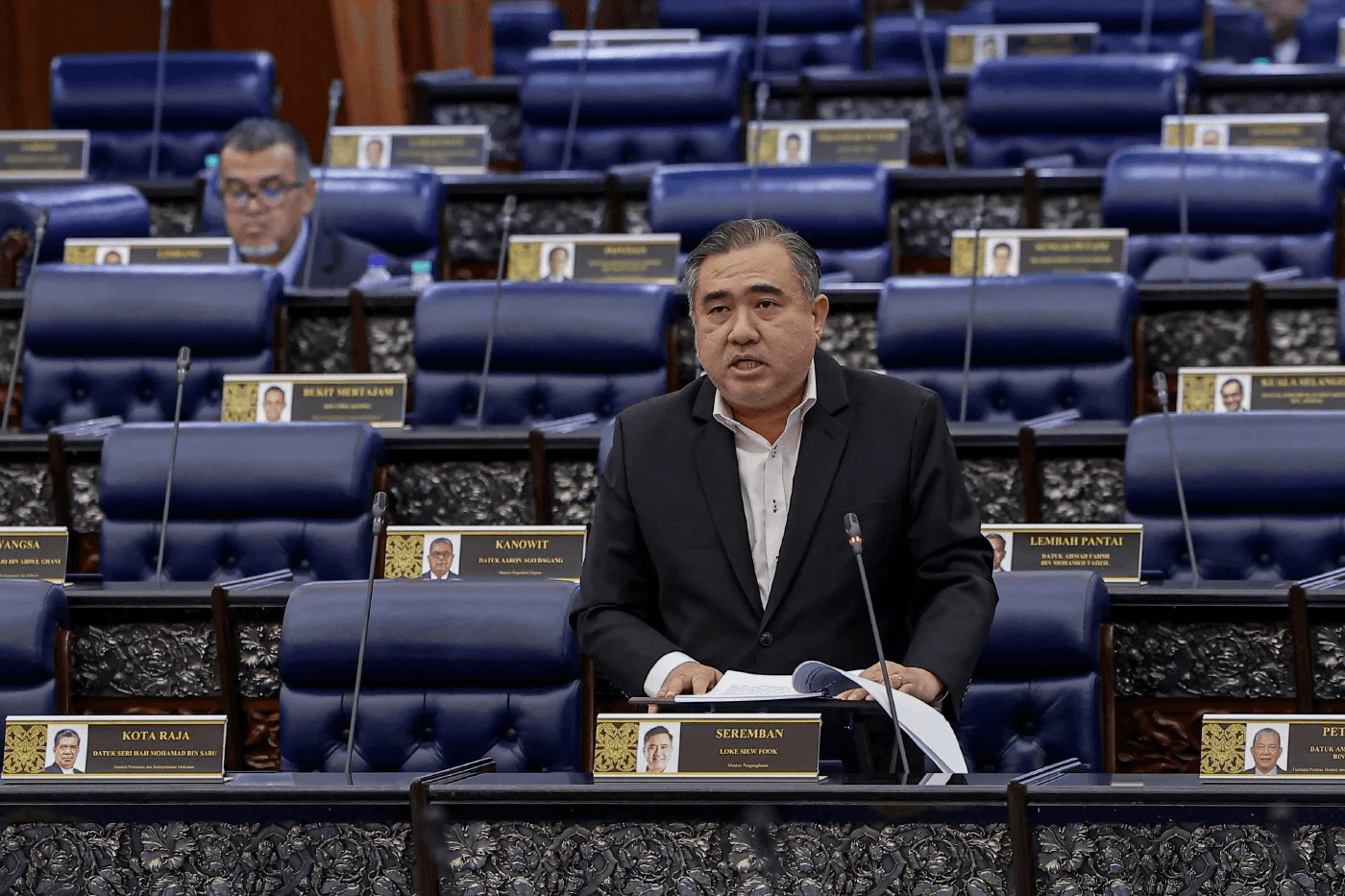
Transport Minister Anthony Loke moved the bill through its second and third readings, and the House approved it by voice vote. The Road Transport (Amendment) Bill 2026 strengthens the powers of enforcement agencies and raises penalties for serious offences. For fleet owners, the direct effect lands on overloading, licensing, and unpaid summonses.
Which Laws Changed, And Why Lorry Operators Are Affected
The reform sits within a wider overhaul of three transport laws. The Ministry of Transport moved to amend:
- Road Transport Act 1987 (Act 333)
- Land Public Transport Act 2010 (Act 715)
- Commercial Vehicle Licensing Board Act 1987 (Act 334).
Lorry operators sit under all three laws at once. Your vehicles fall under Act 333 for registration and roadworthiness, Act 715 for permits, and Act 334 for commercial vehicle licensing. A private motorist deals with one law. You deal with three, which means the Road Transport (Amendment) Bill 2026 carries heavier weight for your business than for an ordinary driver.
Key Changes Under The Road Transport (Amendment) Bill 2026 For Lorry Operators
Higher Compounds And Minimum Fines
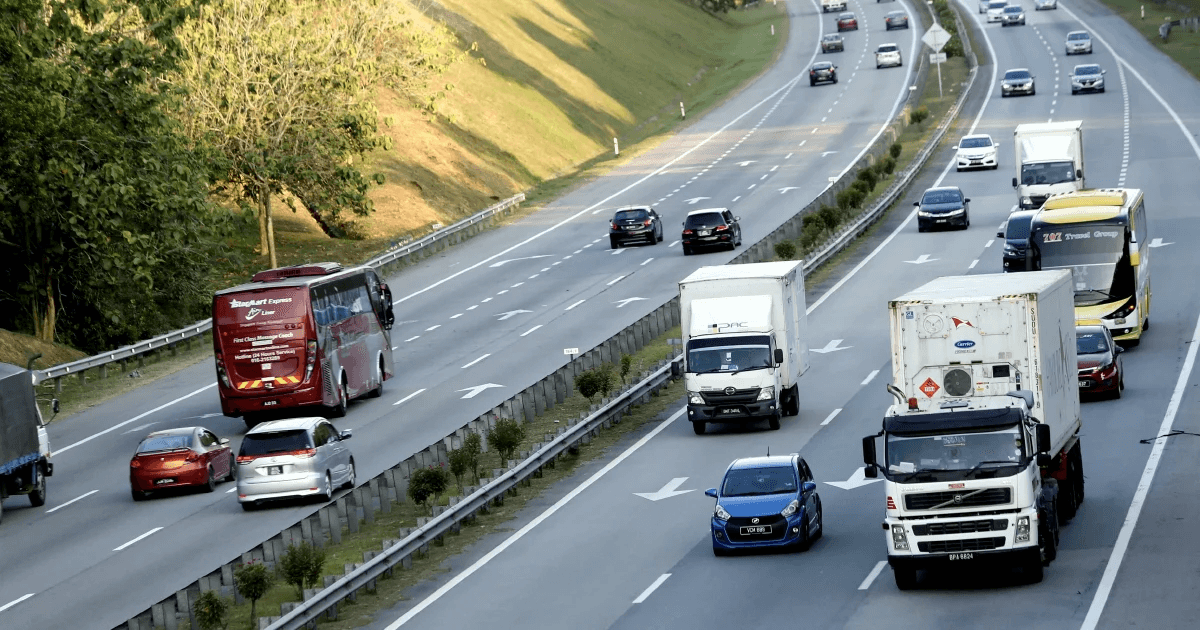
Under the Road Transport (Amendment) Bill 2026, the maximum compound rises from RM300 to RM500. This ceiling takes effect on 1 January 2029, giving operators a transition period. The actual amount depends on the offence, its severity, and the settlement period. Minimum fines for offences like driving without a valid licence or failing to display a registration number also move up to RM500. Across a fleet of ten or twenty vehicles, these figures add up fast, so driver compliance turns into a direct cost control measure for your operation.
Overloading Enforcement And Consignee Liability
The Ministry of Transport named overloading, non compliant vehicles, and commercial vehicles as priority enforcement targets. Under its reform agenda, the ministry proposed setting compound and fine rates by the percentage of overloading.
The ministry also proposed consignee liability, which shifts part of the responsibility to the company ordering the goods. Logistics firms have argued that overloading occurs because consignees pay low rates. If consignee liability comes into force, the party demanding heavy loads will share the penalty. Confirm the final wording against the gazetted Act before revising any contracts.
Border Blocks For Unpaid Summonses
The Road Transport (Amendment) Bill 2026 lets authorities stop vehicles with unresolved transport matters at the border. A single lorry with unpaid summonses risks being blocked from entering or leaving the country.
For operators running border routes to Singapore or Thailand, a single overlooked summons can halt a delivery and affect revenue. Clear every outstanding summons before dispatching a vehicle out of the country. Treat summons clearance as a pre-trip check, similar to inspecting tires and brakes.
Digital Licence And Road Tax Recognition
The Road Transport (Amendment) Bill 2026 gives digital driving licences and digital road tax records the same legal standing as physical documents. Your drivers show licences through the MyJPJ app, and enforcement officers accept them. Summonses and official notices now move electronically too. For fleets, this cuts paperwork and speeds up roadside checks.
Register your drivers on MyJPJ and keep every record current to ensure no vehicle sits idle due to a document dispute.
Tonto Offence And Wider Enforcement Powers
The Road Transport (Amendment) Bill 2026 introduces Section 110B against tonto activity, the lookouts who warn offenders about roadblocks. Anyone who obstructs, threatens, or tails enforcement officers, or leaks operation details, faces a fine of RM10,000 to RM50,000 and imprisonment of one to five years.
Enforcement officers also gain broader powers to divert traffic and collaborate across agencies. Keep your operations transparent and distance your business from any syndicate practices.
What The Road Transport (Amendment) Bill 2026 Means For Your Operation Costs
The new penalty structure increases the cost of poor compliance. A single offence may seem minor, but repeated issues across a fleet can reduce margins, delay jobs, and damage customer trust.
Overloading creates a significant business risk because it simultaneously affects safety, maintenance, and enforcement. A lorry loaded beyond its permitted rating may face increased wear on brakes, suspension, and tyres. It can also lead to inspection issues, delivery delays, and enforcement exposure.
Roadworthy, correctly rated vehicles protect you from these risks. Lorry operators who purchase properly inspected commercial vehicles reduce breakdown risks and stay within legal load limits, which helps keep enforcement costs down. Eco R Truck Malaysia supplies inspected, correctly rated trucks built to support safer and more compliant fleet operations.
Compliance Checklist For Lorry Operators Under The Road Transport (Amendment) Bill 2026
- Verify load ratings for every vehicle and never exceed permitted limits.
- Clear all outstanding summonses before any border crossing.
- Register drivers and vehicles on the MyJPJ app for digital documents.
- Review consignment contracts for liability wording tied to overloading.
- Book regular Puspakom inspections to confirm roadworthiness.
Start with load ratings, because overloading is a central focus of the reform. Weigh loads against each vehicle’s permitted limit and refuse consignments that exceed it. Next, treat summons clearance as a dispatch rule, since one unpaid summons can block a border crossing. Move your fleet onto MyJPJ so drivers can carry digital licences and road tax records for officers to accept on the spot. Review your consignment contracts closely, as the proposed consignee liability shifts risk toward the party ordering heavy loads. Book Puspakom inspections on schedule to keep vehicles within the commercial vehicle rules enforced in Malaysia.
Final Word on Road Transport (Amendment) Bill 2026 For Lorry Operators
The Road Transport (Amendment) Bill 2026 raises the stakes for every fleet in Malaysia. Higher compounds, tighter overloading enforcement, and border blocks for unpaid summonses demand tighter compliance from your operation. Move your drivers onto MyJPJ, clear summonses before dispatch, and keep every vehicle roadworthy and correctly loaded. Review the gazetted Act and the Ministry of Transport portal for the authoritative text, then adjust your contracts and checks. Operators who act early protect their margins and their licences.
Frequently Asked Questions About The Road Transport (Amendment) Bill 2026
When Does The Road Transport (Amendment) Bill 2026 Take Effect?
The Dewan Rakyat passed the bill in June 2026, and most provisions take effect once gazetted. The higher RM500 maximum compound starts on 1 January 2029.
How Much Is The New Maximum Compound?
The maximum compound rises from RM300 to RM500 from 1 January 2029. The actual amount depends on the offence type, its severity, and how quickly you settle.
Does The Reform Make Consignees Liable For Overloading?
The Ministry of Transport proposed consignee liability under its overloading reform agenda. The measure would share penalties with the company ordering the goods. Confirm the final scope against the gazetted Act.
Will Authorities Stop A Lorry At The Border For Unpaid Summonses?
Yes. The reform lets enforcement agencies block vehicles with unresolved transport matters at the border. Clear every summons before you send a lorry on a route out of the country.
Which Three Laws Did The Amendment Cover?
The reform aligns with amendments to the Road Transport Act 1987, the Land Public Transport Act 2010, and the Commercial Vehicle Licensing Board Act 1987. Lorry operators in Malaysia fall under all three.
Upgrade Your Business with Eco R Truck – Malaysia’s Leading Commercial Vehicle Dealer for Truck and Lorry
You can always explore more at Eco R Truck!
Eco R Truck is Malaysia’s premier commercial vehicle dealer, offering a wide selection of new, used, and rebuilt truck malaysia. From light-duty to heavy-duty models, we provide high-quality trucks to meet the diverse needs of businesses across the country.
Ensure your business is equipped with reliable and efficient lorries and trucks with Eco R Truck’s comprehensive inventory and expert advice, you’ll find the perfect vehicle for your logistics, transportation, and delivery needs.
Follow Eco R Truck for Exclusive Offers:
- Access the latest truck models and specifications, including Hino, Isuzu, Mitsubishi, and more.
- Get expert advice on the best truck options for your business requirements.
- Join us for special promotions, updates, and exclusive deals on top truck models.
- Explore financing options and after-sales services that support your business growth.
Contact Eco R Truck Malaysia Today:
- Address:
Office: Lot 448 & 449, Jalan Kapar, Batu 1, 41400 Klang, Selangor
Yard: Lot 3200, Batu 3 1/4, Jalan Kapar, 41400 Klang, Selangor
- Email: [email protected]
- Phone: +6012-2290569
- WhatsApp for Inquiry: https://wa.link/ws6ncq
Visit Eco R Truck Malaysia’s Social Media Profiles:
- Website: https://ecortruck.com.my
- Facebook: https://web.facebook.com/wesleygweefromsendokgroup
- YouTube: https://youtube.com/@gweexiang?si=TPgD_ahzX-clQCPt
- Tiktok: https://www.tiktok.com/@wesleygwee_oe
Post Views:
67
You might also like
Diesel Subsidy Malaysia: How Lorry And Truck Operators Track Fuel Cost Changes
Last Updated: September 22, 2026 Diesel subsidy Malaysia policy now runs through a targeted system called
Lorry Trade In Value Malaysia 2026: 6 Factors That Raise Or Lower Your Offer
Key Takeaway: Lorry trade-in value in Malaysia depends on SLD compliance, mechanical condition, service
BDM and BTM Meaning on a Malaysia Lorry: What These Numbers Mean and Why They Matter
Every lorry on a Malaysian road carries two numbers most drivers never learn to read. These figures sit
AWAS Speed Camera Malaysia 2026: What Lorry Drivers Need to Know About Average Speed Enforcement
Key Takeaway: AWAS speed camera Malaysia enforcement treats goods vehicle drivers differently from car
GDL Licence Malaysia 2026: Who Needs It, How To Apply, And Penalties
Key Takeaway: A GDL licence in Malaysia allows you to legally drive goods vehicles, such as lorries