
Puspakom Brake Inspection Protocol for Lorries 2026: New Drag Force Rules Explained
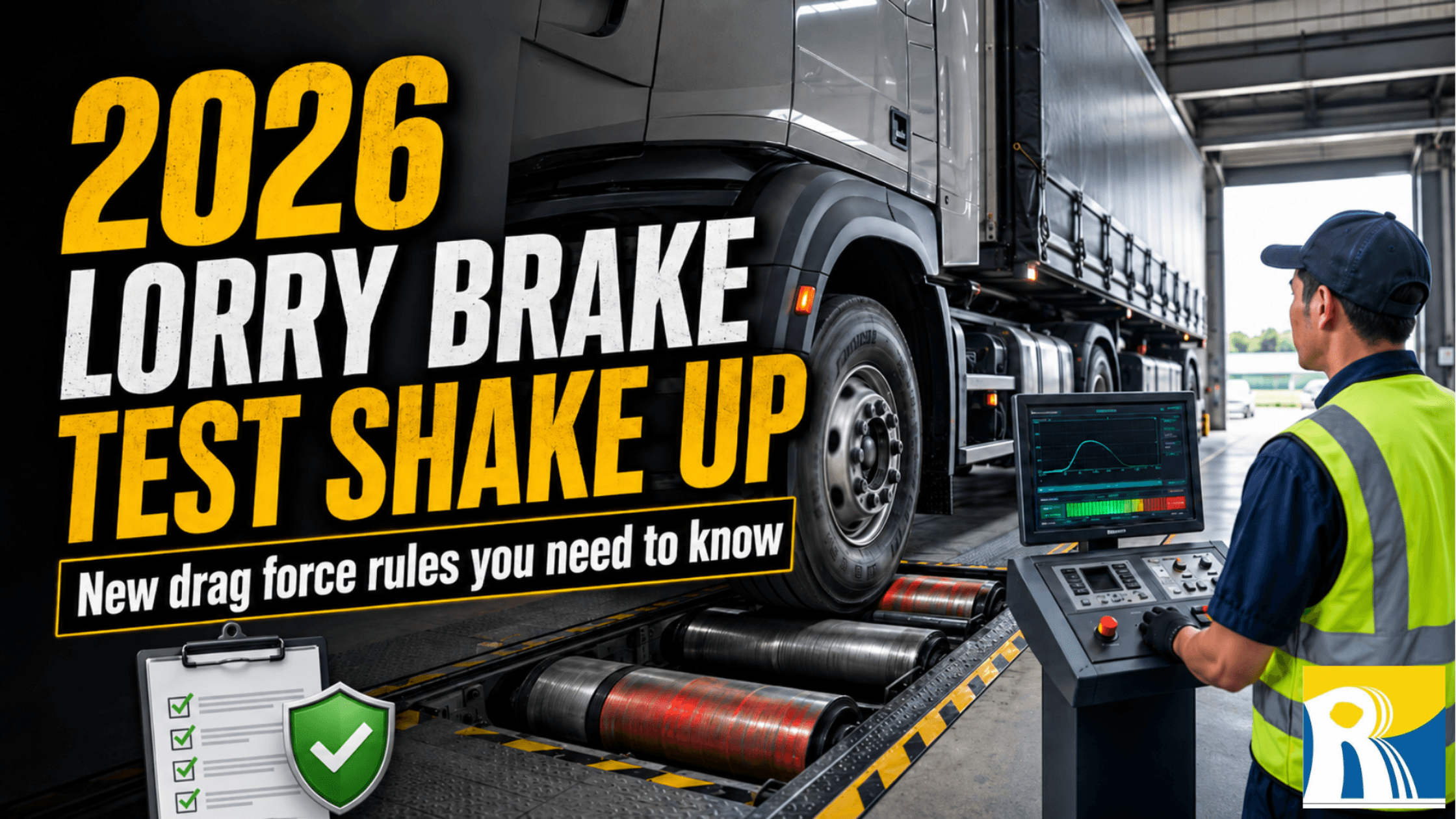
Puspakom brake inspection lorry 2026 rules matter more now because the brake test no longer checks stopping strength only. Puspakom started using a revised brake inspection protocol for lorries from 12 January 2026 after a JPJ directive under the Ministry of Transport. The revised check focuses on brake settings that are too tight or too loose, because both conditions increase safety risk for heavy vehicles.
This change affects lorry owners, transport companies, workshops, fleet managers, and drivers who send commercial vehicles for Puspakom inspection. A lorry may fail even when the brakes feel strong to the driver, because excessive drag force can show the brake system is already partly engaged before the pedal is pressed. A lorry may also fail when the brake setting is too loose, because stopping distance can increase during emergency braking or downhill driving.
What Changed in Puspakom Brake Inspection Lorry 2026 Rules
The 2026 protocol adds more attention to drag force, which means resistance in the brake system when the brake pedal is not pressed. Puspakom explained that excessive drag force can indicate partial brake engagement, which can create heat buildup and reduce brake efficiency over time. This matters for heavy vehicles because heat can affect braking performance during long trips, heavy loads, and downhill routes.
The rule also targets the old practice of adjusting brakes only to pass inspection, then changing them back for daily operation. Puspakom’s chief executive said some operators temporarily adjust brake settings for inspection convenience, and the revised protocol aims to assess safer operating conditions instead. This means operators should maintain the brake system correctly before inspection, not change settings only for the test.
Drag Force Brake Test Lorry Meaning
Drag force brake test lorry checks the resistance from the brake system before the driver presses the brake pedal. In simple terms, the test helps detect whether the brake parts are dragging when they should be free. When drag force is too high, the brakes may stay partly engaged during movement, even when the driver is not braking.
High drag force can cause heat, faster lining wear, weak brake performance after long operation, higher fuel use, and possible damage to brake parts. Low or loose brake setting creates another problem because the lorry may need more distance to stop. Both conditions affect road safety, especially when the vehicle carries cargo, travels downhill, or operates on busy routes.
Why Lorries Fail Puspakom Brake Inspection
A lorry fail Puspakom brake result can happen when the brake setting is too tight. This may look like strong braking during normal driving, but the inspection can show that the brake system creates too much resistance before the pedal is pressed. Over time, this can produce heat, reduce brake performance, and create risk during longer trips.
A lorry can also fail when the brake setting is too loose. In this case, the brake system may not react strongly enough when the driver needs to stop quickly. Puspakom and JPJ focus on this because poor brake response can increase stopping distance and reduce driver control.
When the New Drag Force Brake Test Started
Puspakom began the revised brake inspection protocol for lorries on 12 January 2026. The directive came from JPJ under the Ministry of Transport, and Puspakom implemented the revised protocol as part of heavy vehicle safety inspection. Industry reports also stated that Puspakom later confirmed full implementation of drag force inspection at all branches from 1 March 2026 after a transition period.
This timing matters for operators with upcoming periodic inspections. Commercial vehicles still need regular inspections, and brake condition remains one of the main areas that affects pass or fail results. Owners should not wait until the inspection date before checking the brake system, because brake adjustment, repair, and retesting can delay daily operation.
Drag Force Brake Test Criteria Operators Should Understand
Puspakom’s earlier periodic inspection improvement notice recorded drag force reading as part of brake testing. Industry reporting on that notice stated that drag force should not exceed 10 percent for each axle. Operators should still check the latest Puspakom branch guidance and inspection result sheet because the final result depends on the full brake test and the vehicle condition on test day.
The important point is that operators should not aim for brakes that only feel tight. A safe brake system needs proper balance, proper adjustment, good lining condition, clean drums or discs, correct air pressure, healthy chambers, and smooth release after braking. A workshop should check whether the brake releases fully when the pedal is no longer pressed. This helps reduce drag force and improves the chance of passing inspection.
How Operators Should Prepare Before Puspakom Inspection
Start with a full brake system check at a workshop familiar with commercial vehicles. Ask the mechanic to inspect brake lining thickness, drum condition, air leaks, brake chambers, slack adjusters, hoses, valves, and wheel end movement. A lorry with worn parts should not rely on simple adjustment because the test may still detect poor performance or drag.
Next, ask the workshop to check whether the brakes release properly after pressure drops from the pedal. The driver should also test for pulling, overheating smell, smoke, unusual vibration, slow acceleration, or abnormal wheel heat after driving. These signs may point to dragging brakes, air system issues, or brake parts that need service before inspection.
Why Brake Settings Too Tight Can Fail Inspection
Many operators used to believe tighter brakes were better because the lorry seemed to stop faster. The 2026 Puspakom brake inspection lorry protocol changes that thinking because brakes that stay partly engaged can create drag force. This makes the brake system work even when the driver is not pressing the pedal.
Too much drag can create heat during movement. Heat can damage brake lining, reduce friction quality, and create weak braking after long driving. This becomes serious for loaded lorries, crane trucks, tipper lorries, box trucks, and long distance vehicles because weight and heat increase pressure on the braking system.
Why Brake Settings Too Loose Can Fail Inspection
Loose brake settings create a different risk. The driver may need to press the pedal harder or earlier to slow the lorry. During emergency braking, this can increase stopping distance and make the vehicle harder to control.
This issue becomes worse when the lorry carries heavy cargo. A light test drive may feel normal, but the same lorry may respond poorly when loaded. Operators should test braking under safe workshop conditions and follow the correct adjustment range instead of relying on driver feeling alone.
What Fleet Owners Should Do Before Every Inspection Cycle
Fleet owners should create a brake inspection checklist before booking Puspakom. The checklist should include brake adjustment, drag symptoms, air pressure recovery, lining wear, leak checks, tyre condition, and driver feedback. A simple record helps the company track recurring issues across different lorries and drivers.
Operators should also stop last minute brake adjustments. A rushed adjustment may help one part of the test but create another failure point. Better maintenance gives the lorry a stronger chance of passing, reduces downtime, and protects the company from roadside breakdowns.
How This Affects Used Lorry Buyers in Malaysia
Used lorry buyers should check brake condition before paying a deposit. A lorry that looks clean and starts well may still fail Puspakom if the brake system has drag force issues, loose settings, worn lining, or poor release. Buyers should ask for the latest Puspakom result and request a workshop brake inspection before final purchase.
This matters for businesses buying box lorries, tipper lorries, crane lorries, cargo trucks, and rebuilt commercial vehicles. Brake repair costs can affect the real purchase budget. A good buying decision should include engine condition, chassis condition, body condition, permit needs, and brake inspection readiness.
FAQ About Puspakom Brake Inspection Lorry 2026
What is drag force in a lorry brake test
Drag force means brake system resistance when the brake pedal is not pressed. Excessive drag force can show that the brakes are partly engaged, which can create heat and reduce brake efficiency over time.
Why did Puspakom change the brake inspection protocol
Puspakom implemented the revised protocol after a JPJ directive to improve heavy vehicle safety. The revised check targets brake settings that are too tight or too loose because both can affect control, stopping distance, and accident risk.
When did the drag force brake test start
Puspakom implemented the revised brake inspection protocol from 12 January 2026. Reports also stated that full enforcement at all Puspakom branches started from 1 March 2026 after a transition period.
What should I do if my lorry fails Puspakom brake test
Send the lorry to a workshop that understands heavy vehicle brake systems. Ask them to check drag force causes, brake adjustment, air leaks, chambers, lining, drums, and release function before booking the retest.
Conclusion: Lorry Operators Must Prepare for Puspakom Brake Inspection Lorry 2026 Rules
The 2026 Puspakom brake inspection lorry protocol makes brake maintenance more important for every operator. A lorry can fail when the brakes are too tight, too loose, or showing unsafe drag force during inspection. Operators should treat the brake test as a safety check for daily operation, not a one time hurdle before road tax renewal.
Eco R Truck helps Malaysian business owners choose new, used, and rebuilt commercial vehicles for real work needs. If you plan to buy a lorry, replace an older unit, or prepare a commercial vehicle for operation, review the brake system and inspection records before deciding. A safer lorry protects your driver, your cargo, and your business schedule.
Post Views:
63
You might also like
Diesel Subsidy Malaysia: How Lorry And Truck Operators Track Fuel Cost Changes
Last Updated: September 22, 2026 Diesel subsidy Malaysia policy now runs through a targeted system called

Volvo Electric Truck Malaysia: Cost, Range, And Fleet Fit Explained
Volvo Trucks Malaysia sells the first fully electric heavy duty prime movers in Southeast Asia, with

Isuzu D-Max 2026 Malaysia: Is The New 2.2 Turbodiesel Worth It For Business Buyers
A low purchase price does not automatically make a pickup the cheaper business asset. The Isuzu D-Max

Malaysia’s Most Trusted Commercial Vehicle Brands 2026: Top 7 Truck Brands Buyers Choose
Isuzu leads Malaysia’s most trusted commercial vehicle brands in 2026, with 6,880 truck registrations

Eco‑R Truck Authorized Distributor of XCMG Malaysia Truck-Mounted Cranes, Knuckle Boom Cranes, Loader Cranes, Excavators and Construction Machinery
Sendok Group is the sole distributor of selected XCMG truck-mounted cranes in Malaysia. The crane operation
EV Truck Charging Station Malaysia 2026: Where Trucks Charge
Key Takeaway: Malaysia has thousands of public EV chargers, but few sites support electric trucks. Build