
ESG Reporting for SMEs in Malaysia: The Role of Rebuilt Trucks in Green Transport
A rebuilt truck gives a Malaysian SME a practical sustainability case when the business records real operating data and links the result to recognised disclosure topics. ESG Reporting for SMEs already has an official path in Malaysia through the Simplified ESG Disclosure Guide, with sector guidance for transport and logistics and a local greenhouse gas calculator for SMEs.
Malaysia’s MSMEs contributed RM652.4 billion to GDP in 2024, equal to 39.5 % of the economy, so a clearer reporting path matters for a large business base. Transport also sits near the centre of the climate issue, because MGTC states the sector is the nation’s second largest CO2 emitter and contributes 25 % to 30 % of national greenhouse gas emissions.
Why ESG Reporting for SMEs Now Matters in Malaysian Transport
ESG Reporting for SMEs matters in transport because fuel use, mileage, cargo movement, maintenance practice, and asset replacement all leave a paper trail a business can measure. The official SEDG transport guidance exists to help SMEs disclose environmental, social, and governance data in a form aligned with international standards.
That gives a transport operator a structure for reporting what happened inside the business instead of relying on broad sustainability claims. A rebuilt truck fits this setting when the company treats the rebuild as an operational decision backed by evidence.
How ESG Reporting for SMEs Applies to Rebuilt Trucks
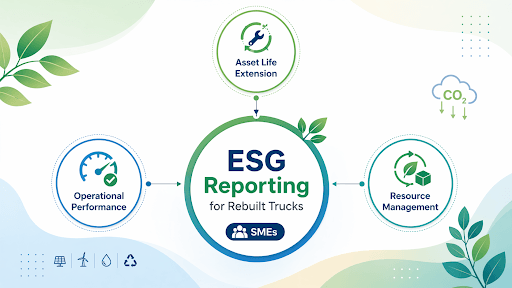
ESG reporting for SMEs becomes relevant to rebuilt trucks when the company presents the rebuild as a measurable operational decision, not as a simple sustainability claim. A rebuilt truck supports reporting when the business can show why the rebuild was carried out, what business problem it addressed, and what results followed after the truck returned to service. This gives the disclosure a stronger foundation and makes the reporting more credible.
The reporting value often lies in three areas. The first is asset life extension, because the business keeps a working vehicle in use for a longer period. The second is operational performance, including fuel use, mileage, downtime, and maintenance records. The third is resource management, especially when the rebuild involves reused parts, controlled waste handling, or more efficient components.
If the rebuild includes engine work, efficiency upgrades, or cleaner replacement parts, the company should report the outcome using actual records. Fuel data, service logs, and transport activity figures give the disclosure more value than broad statements about being environmentally friendly. This approach makes ESG reporting for SMEs more practical, more accurate, and easier for buyers, financiers, and management to assess.
What ESG Reporting for SMEs Requires Under SEDG Transport Metrics
ESG reporting for SMEs in transport starts with emissions data and activity data. The SEDG transport guidance asks cargo road transport SMEs to report Scope 1 and 2 greenhouse gas emission intensity using kilometres and tonne-kilometres, while passenger transport uses passenger-kilometres and maritime cargo uses tonne-nautical miles.
The same guide explains that intensity adds context to absolute emissions by showing emissions per unit of activity. For a truck-based business, fuel use alone is not enough, because the report should also show how far the vehicle moved and how much work the vehicle performed.
A practical disclosure example helps here. If one truck used 28,000 litres of diesel before rebuild work and 24,000 litres in the next full reporting year, the business has a clearer basis for reporting than a generic statement about lower emissions. If the same truck also covered more distance or carried more cargo in the same period, the intensity figure becomes more useful because it shows efficiency in relation to output. This is the type of detail procurement teams and lenders read quickly and verify against records.
What Evidence Strengthens ESG Reporting for SMEs
ESG reporting for SMEs becomes more robust when the business maintains a complete set of source records. Capital Markets Malaysia’s SEDG GHG calculator recommends the operational control approach, which includes company vehicles, and the guide states that activity data may be aggregated from purchasing invoices and receipts.
A business with rebuilt trucks should therefore keep fuel invoices, workshop bills, parts records, service logs, mileage logs, payload records, and inspection documents in one file path for each vehicle. Those records support a clear baseline, a current year result, and a simple audit trail for management, buyers, or financiers.
The same record set improves governance quality. Management should record why the rebuild was approved, which vendor completed the job, what technical scope was included, what compliance checks were completed, and when the truck returned to service. A short approval memo with costs, expected operating results, and a review date provides the report with a stronger management narrative. It also helps the business compare future rebuild decisions against buying a new truck.
How ESG Reporting for SMEs Captures Circularity and Emissions Results
ESG Reporting for SMEs should map a rebuilt truck to the official topics the action touches. Under SEDG, transport SMEs report emissions, waste, and materials. The transport guidance includes waste generated, waste diverted from disposal, and waste directed to disposal, and it also includes materials used and recycled input materials. A rebuilt truck supports those topics when the company records reused parts, replaced components, scrap handled through approved channels, and the final operating result in fuel use or emissions intensity.
A good report separates three ideas.
- Circularity: Extending the asset’s lifecycle and managing parts and waste responsibly.
- Operational Emissions: Tracking fuel usage and emissions intensity once the truck is back in service.
- Cost Efficiency: Optimizing maintenance, reducing downtime, and improving cash flow.
When a company separates those ideas, the report stays clear and credible.
How ESG Reporting for SMEs Supports Financing and Buyer Trust
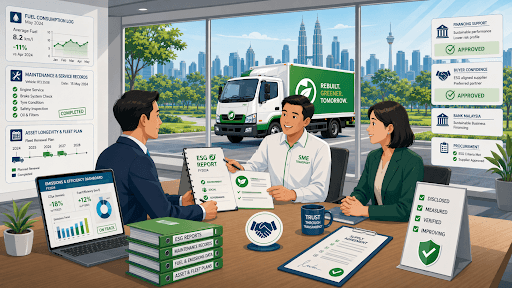
ESG reporting for SMEs also supports financing and customer conversations when a business presents data in a disciplined way. SME Bank states that the Low Carbon Transition Facility supports Malaysian SMEs in all sectors committed to low-carbon and sustainable business operations. The facility provides for capital expenditure and working capital, which reflects a policy focus on practical business transitions. A transport SME should frame a rebuilt truck as one part of that wider operational transition by highlighting three key areas:
- Fuel Data: Recording clear evidence of consumption and efficiency gains.
- Maintenance Discipline: Documenting rigorous service standards and asset longevity.
- Cleaner Asset Planning: Demonstrating a strategic shift toward sustainable fleet management.
Focusing on these points ensures the report remains credible for lenders. Buyers also respond better to reports that show numbers, dates, and records rather than broad claims. To maintain transparency, businesses should state the action, the data source, the reporting period, and the result, subsequently linking these findings to specific SEDG topics and transport metrics.
How to Report a Rebuilt Truck in ESG Reporting for SMEs
ESG reporting often feels stressful for SMEs because the process involves records, metrics, and clear wording. This guide breaks the process into simple steps so you know what to prepare and what to report.
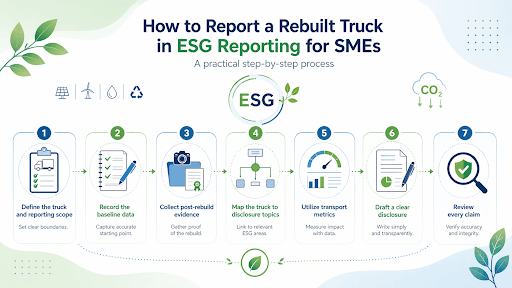
- Define the truck and reporting scope. Clearly state the asset ID, rebuild date, workshop, and primary work completed. Specify whether the data covers a single truck or multiple vehicles.
- Record the baseline data. Document fuel consumption, mileage, payload, maintenance costs, and downtime before the rebuild to establish a clear comparison point for the report.
- Collect post-rebuild evidence. Consolidate fuel invoices, service logs, parts receipts, inspection records, and mileage logs into a single file for systematic review.
- Map the truck to disclosure topics. Link the rebuild activities to emissions, waste management, material usage, and governance based on the records collected.
- Utilise transport metrics. Report total fuel consumed, distance travelled, and tonne-kilometres where relevant. This ensures the disclosure provides tangible operational value.
- Draft a clear disclosure. Detail what was changed, the rationale for the rebuild approval, the measurement period, and the resulting performance improvements.
- Review every claim. Eliminate any unsupported language. Maintain a distinction between circularity and emissions claims to ensure the report remains accurate and credible.
Conclusion: ESG Reporting for SMEs Works When the Data Is Real
ESG reporting for SMEs becomes stronger when every sustainability claim is tied to real operating evidence. In the case of rebuilt trucks, the value lies in showing how the rebuild improved performance, supported circularity, reduced waste, or strengthened transport efficiency through data that the business already records.
The Malaysian reporting framework gives SMEs a clear structure to present those results through recognized disclosure topics and transport metrics. When the business explains what changed, how the result was measured, and why the action matters to operations, the report becomes more useful and more credible. A rebuilt truck then stands as a practical part of green transport, supported by records, aligned with SEDG, and relevant to finance, procurement, and long-term business planning.
Upgrade Your Business with Eco R Truck – Malaysia’s Leading Commercial Vehicle Dealer for Truck and Lorry
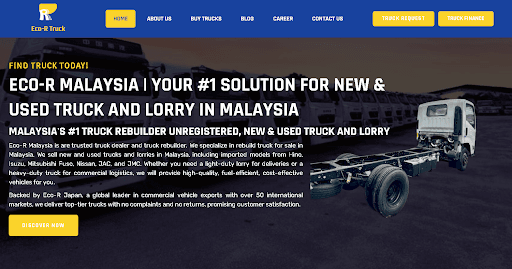
You can always explore more at Eco R Truck!
Eco R Truck is Malaysia’s premier commercial vehicle dealer, offering a wide selection of new, used, and rebuilt truck malaysia. From light-duty to heavy-duty models, we provide high-quality trucks to meet the diverse needs of businesses across the country.
Ensure your business is equipped with reliable and efficient lorries and trucks with Eco R Truck’s comprehensive inventory and expert advice, you’ll find the perfect vehicle for your logistics, transportation, and delivery needs.
Follow Eco R Truck for Exclusive Offers:
- Access the latest truck models and specifications, including Hino, Isuzu, Mitsubishi, and more.
- Get expert advice on the best truck options for your business requirements.
- Join us for special promotions, updates, and exclusive deals on top truck models.
- Explore financing options and after-sales services that support your business growth.
Contact Eco R Truck Malaysia Today:
- Address:
Office: Lot 448 & 449, Jalan Kapar, Batu 1, 41400 Klang, Selangor
Yard: Lot 3200, Batu 3 1/4, Jalan Kapar, 41400 Klang, Selangor
- Email: [email protected]
- Phone: +6012-2290569
- WhatsApp for Inquiry: https://wa.link/ws6ncq
Visit Eco R Truck Malaysia’s Social Media Profiles:
- Website: https://ecortruck.com.my
- Facebook: https://web.facebook.com/wesleygweefromsendokgroup
- YouTube: https://youtube.com/@gweexiang?si=TPgD_ahzX-clQCPt
- Tiktok: https://www.tiktok.com/@wesleygwee_oe
Post Views:
12
You might also like
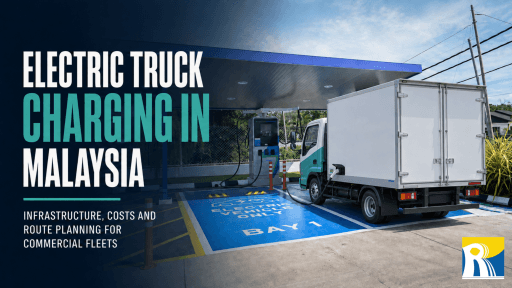
EV Truck Charging Station Malaysia 2026: Where Trucks Charge
Key Takeaway: Malaysia has thousands of public EV chargers, but few sites support electric trucks. Build