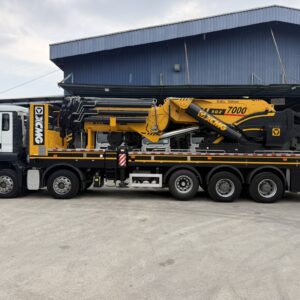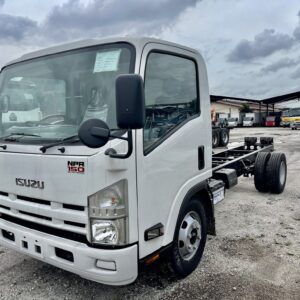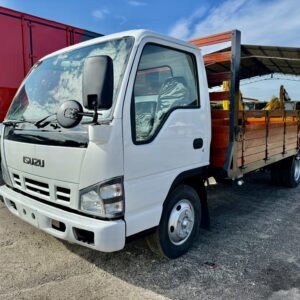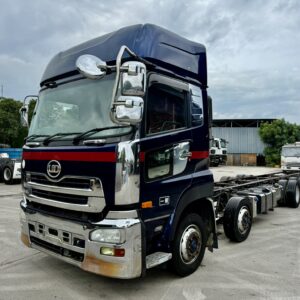
Malaysia’s New Speed Limiter Rule and SLD (Speed Limitation Device ) Mandate for Heavy Vehicles: Operator Checklist Before Enforcement, October 1, 2025
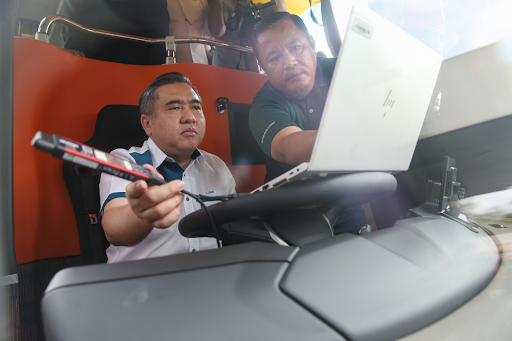
Image credit: JPJ to enforce speed limiter checks on buses, heavy vehicles from Oct 1 | Malay Mail
Operator Checklist for Malaysia’s New Speed Limiter Device (SLD) Mandate
Transport Minister Anthony Loke announced Malaysia will require heavy commercial vehicles to install a Speed Limiter Device (SLD) system. Commercial vehicles over 3,500 kg and BDM passenger vehicles over 5,000 kg carrying more than eight passengers must comply. The SLD caps its top speed at 90 km/h, even on roads with higher limits. This mandate helps prevent high‑speed crashes and aligns Malaysia with the Singapore and European safety standards implementation.
Anthony Loke noted the policy responds to tragic accidents such as the Gerik bus crash, where investigators estimated speeds reached 117 km/h—well above safe limits. He stated that safety must take priority over industry cost concerns.
He said the implementation of the SLD system is crucial in controlling the speed of heavy vehicles and reducing the risk of fatal accidents, especially involving buses and lorries. Anthony Loke said, “Although I know some industry players may respond with concerns, including over additional costs and so on, the implementation of SLD is meant to ensure road safety and protect human lives.”
What is the SLD (Speed Limitation Device ) System and Why It Matters
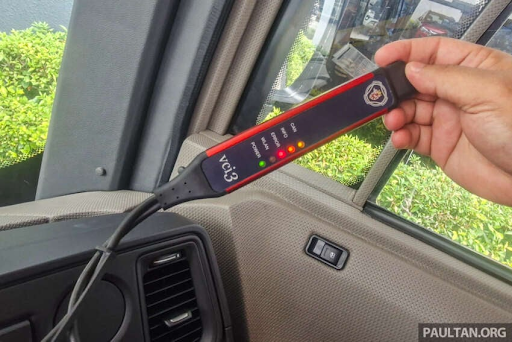
Image Credit: Use of speed limit devices on all heavy vehicles in Malaysia to be fully mandatory by next year – Loke – paultan.org
Malaysia is enforcing the Speed Limiter Device (SLD) system to improve road safety for heavy vehicles. The system automatically restricts vehicle speed to a fixed limit of 90 km/h, regardless of posted speed limits. It will be mandatory for all commercial vehicles, including goods vehicles over 3,500 kg and passenger vehicles BDM over 5,000 kg that carry more than eight passengers.
The Speed Limiter Device (SLD) system is designed to electronically restrict a vehicle’s top speed to 90 km/h, regardless of road speed limits. It connects directly to the vehicle’s Electronic Control Unit (ECU) or fuel system. When the preset speed is reached, the system either cuts fuel supply through a solenoid valve or reduces throttle response using ECU controls. This helps prevent overspeeding without shutting off the engine or applying brakes, maintaining operational safety for heavy vehicles.
SLD units rely on inputs from speed sensors such as ABS, CAN bus, or transmission outputs. Once activated, some models also trigger visual or audio warnings to alert the driver. In certain cases, a temporary override (kick‑down) is available for emergency use. All SLD devices in Malaysia must be installed and certified by JPJ-approved service centers to meet national safety standards under the phased enforcement led by Transport Minister Anthony Loke.
How the Speed Limiter Device Operates
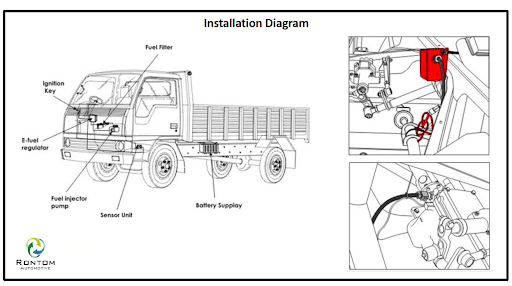
The SLD system integrates with the vehicle’s Electronic Control Unit (ECU). It monitors speed via sensors and automatically cuts throttle response and fuel supply once the vehicle reaches 90 km/h. The system does not apply the brakes but prevents further acceleration beyond the limit. Certified units are tamper‑proof and meet JPJ technical standards.
Drivers still must obey local posted speed limits, such as lower zones of 60 km/h. SLD acts only as a cap and does not override posted restrictions.
Gov Malaysia Plan For Enforcement Timeline and What Operators Must Comply
Phase 1 – Verification of Existing SLD (from 1 October 2025)
Vehicles registered on or after 1 January 2015 must show proof of a working SLD. Failing inspections without verification will result in vehicles being barred from operation. Reports must be issued by JPJ‑approved manufacturers, workshops, or accredited certification bodies and renewed every two years. Operators must keep copies in the vehicle and produce them during Puspakom and APAD inspections.
Phase 2 – Activation of ECU-based SLD (from 1 January 2026)
Vehicles built before 1 January 2015 with existing SLD hardware must have the device activated via ECU interfaces. Activation must be carried out at recognised facilities. Operators must renew certification every two years and keep the document in the vehicle at all times.
Phase 3 – Retrofit Installation (from 1 July 2026)
All heavy vehicles without an SLD system must install JPJ‑approved retrofit devices. Installation must be done at certified workshops or technical service centres. Once wired and certified, these vehicles can pass inspection and remain roadworthy.
Operator Responsibilities and Checklist
Operators must identify affected vehicles by checking the build year and weight or passenger capacity. They should arrange inspection and installation tasks at authorised service providers. Required documentation includes the SLD verification report, valid for two years, and must remain in the vehicle. Operators must ensure renewal cycles align with permit expirations and inspections.
Checklist Table
| Implementation | Deadline | Notes |
| Verify SLD on vehicles built from Jan 2015 | By Oct 1, 2025 | Obtain a functional report |
| Activate ECU‑based SLD on pre‑2015 vehicles | By Jan 1, 2026 | Done at JPJ‑approved facility |
| Retrofit SLD installation for non‑equipped vehicles | By Jul 1, 2026 | Install JPJ‑approved model |
| Renew SLD functionality report | Every 2 years | Keep the certificate in the vehicle at all times |
Common Concerns Operators Raise
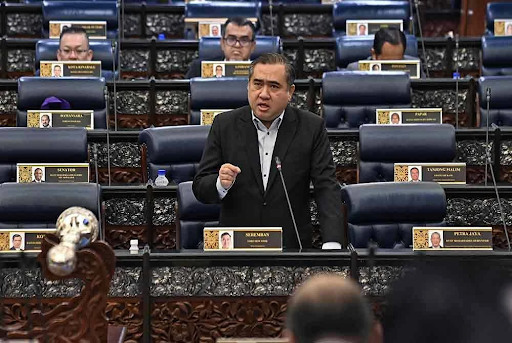
Cost issues: operators worry about retrofit and certification fees. Clarity on which device models and workshops are officially recognised remains limited. Some also express doubt about consistent enforcement. Anthony Loke acknowledged these concerns but emphasised that devices must meet JPJ standards and be verified through approved channels.
Transport Minister Anthony Loke knows some industry players may respond with concerns, including over additional costs and so on, but the implementation of the SLD is meant to ensure road safety and protect human lives.
“I hope Members of Parliament will support smooth implementation. If there is any objection, we must make it clear that safety comes before costs and business profits,”
Anthony Loke said during Minister’s Question Time in the Dewan Rakyat on Tuesday. He acknowledged that questions remain about approved device models, certified workshops, and enforcement consistency. However, he stressed that only systems that meet JPJ’s technical standards and pass certified verification will be accepted. According to Loke, public safety must take precedence over commercial objections. The ministry is working with relevant agencies to publish approved vendor lists and standard procedures to support operators in meeting compliance requirements.
Benefits of Compliance
Early compliance ensures vehicles meet inspection requirements and avoid being grounded. It improves road safety by enforcing speed caps. Operators avoid disruptions from non‑compliance and align with evolving transport regulations. This proactive approach signals responsible fleet management.
Conclusion: The Implementation of the SLD is Meant to Ensure Road Safety and Protect Human Lives.
The Speed Limiter Device (SLD) system is part of a nationwide initiative to reduce road accidents involving heavy vehicles. The government’s phased enforcement plan gives commercial operators time to comply without disrupting operations. It focuses on safety through verified technology, standard procedures, and certified installations.
By understanding the requirements, checking vehicle eligibility, and completing the necessary steps within each phase, operators will ensure their fleets stay compliant, functional, and safe. The goal is simple: reduce speed-related risks and protect lives on Malaysian roads.
Upgrade Your Business with Eco R Truck – Malaysia’s Leading Commercial Vehicle Dealer for Truck and Lorry
You can always explore more at Eco R Truck!
Eco R Truck is Malaysia’s premier commercial vehicle dealer, offering a wide selection of new, used, and rebuilt truck malaysia. From light-duty to heavy-duty models, we offer high-quality trucks that meet the diverse needs of businesses nationwide.
Ensure your business is equipped with reliable and efficient lorries and trucks with Eco R Truck’s comprehensive inventory and expert advice, and you’ll find the perfect vehicle for your logistics, transportation, and delivery needs.
Follow Eco R Truck for Exclusive Offers:
- Access the latest truck models and specifications, including Hino, Isuzu, Mitsubishi, and more.
- Get expert advice on the best truck options for your business requirements.
- Join us for special promotions, updates, and exclusive deals on top truck models.
- Explore financing options and after-sales services that support your business growth.
Contact Eco R Truck Malaysia Today:
- Address:
Office: Lot 448 & 449, Jalan Kapar, Batu 1, 41400 Klang, Selangor
Yard: Lot 3200, Batu 3 1/4, Jalan Kapar, 41400 Klang, Selangor
- Email: wesley@rnacv.com.my
- Phone: +6012-2290569
- WhatsApp for Inquiry: https://wa.link/ws6ncq
Visit Eco R Truck Malaysia’s Social Media Profiles:
You might also like

Why Puspakom Tightened Heavy Vehicle Checks from June 2025 — and What It Means for Road Safety
On June 1, 2025, Malaysia’s sole vehicle inspection company, Puspakom, implemented stricter inspection
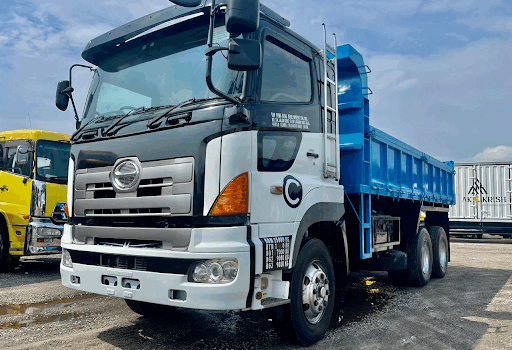
Looking for a Construction Lorry for Sale in Malaysia? Why a Rebuilt Hino Tipper is the Best Choice!
Malaysia Construction Lorry Market Industry The construction industry in Malaysia is booming, and with

Isuzu Elf Recond Price Malaysia: A Full Review of Specs, Performance, and 2025 Costs
The Isuzu Elf (also known as the N-Series outside Japan) is a renowned light-duty truck in Malaysia,
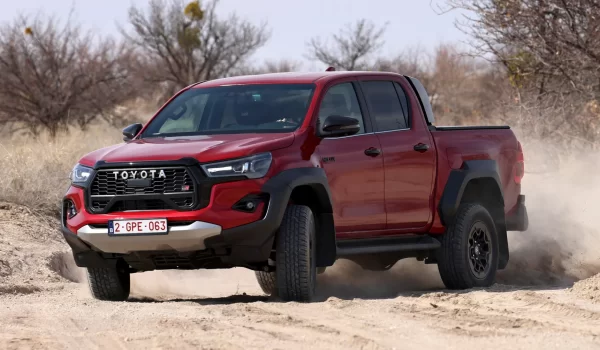
What is the Best-Selling Pickup Truck in Malaysia? No. 1 Pickup Trucks for 2025: Hilux, D-Max, Triton & More
Best Selling Pickup Trucks Model Brands in Malaysia: 2023–2025 Sales Overview Brand & Model 2023